
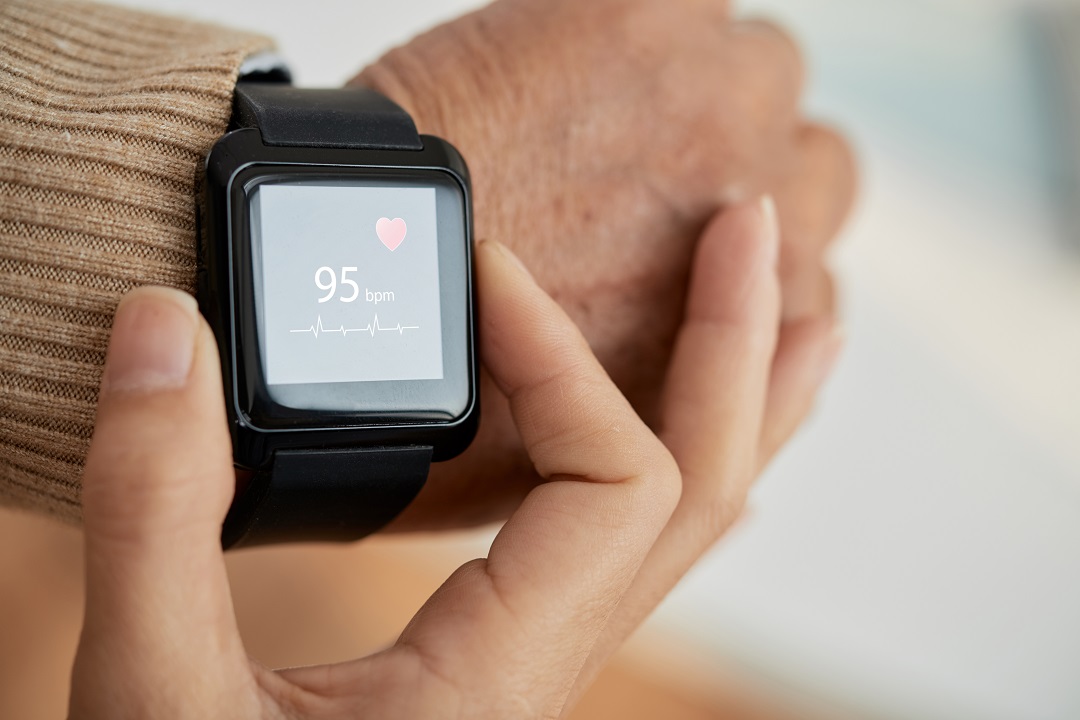
The human heart is an incredibly powerful muscle that beats nearly 100,000 times per day. With such constant activity, it becomes essential to understand how your body responds to daily stress, exercise, and overall lifestyle patterns.
This is where optical heart rate monitoring plays a key role. Unlike older pulse‑tracking methods that measured blood volume through manual contact, modern optical sensors detect blood flow using light‑based technology, making measurement faster, more comfortable, and more accurate for everyday users.
In this blog, you’ll learn how this technology works, its benefits, and how to choose the right heart rate monitoring device.
What Is an Optical Heart Rate Monitor and How Does It Work?
Optical heart rate monitors are the most widely used heart‑tracking technology in today’s fitness and wellness devices. These systems function using Photoplethysmography (PPG) — a method where a sensor shines near‑infrared light into your skin and measures how much of it is reflected back.
As blood flows through your veins, the amount of reflected light changes. These changes allow the sensor to detect your heartbeat in real time.
You can find optical heart rate sensors in:
- Fitness bands
- Smartwatches
- Heart rate monitor watches
- Chest straps
- Body composition/BMI smart scales
Optical monitors are extremely popular because they offer comfort, convenience, and accessibility, making them suitable for daily health and fitness tracking.
Benefits of Using Optical Heart Rate Monitoring
1. Reliable Measurement Accuracy
Optical heart rate monitors provide dependable insights into your fitness levels and cardiovascular response. As your heart pumps more blood during exercise, sensors detect changes in blood flow, helping you understand how your body reacts to different activities.
2. Comfortable and Easy to Use
Simply wear the device — no wires, no chest straps, no discomfort.
They can be worn:
- On the wrist
- On the arm
- On the chest (strap‑based optical versions)
- On smart scales
This ease of use makes heart‑tracking seamless throughout the day.
3. Suitable for All Types of Exercise
Because they read blood flow instead of electrical signals, optical heart rate monitors work well during:
- Running
- Cycling
- Yoga
- Swimming (in waterproof models)
- Weight training
This versatility makes them ideal for fitness enthusiasts who follow multi‑activity routines.
4. Automatic Sleep Tracking
Many wearables use optical sensors to detect:
- Light sleep
- Deep sleep
- REM cycles
This helps users better understand sleep patterns and recovery needs.
5. Calorie Burn EstimatesSome monitors use heart rate, age, weight, and activity intensity to estimate calorie burn, which is more informative than heart rate alone.
What to Look for in a Heart Rate Monitoring Device
✔ High Sampling Rate
The higher the sampling rate (20–200 readings per second), the more accurate your data.
✔ Understand Limitations
Optical monitors are not medical devices and should not be used to diagnose chest pain, heart disease, or other medical issues.
✔ Consider a Chest Strap for Medical Accuracy
Chest straps use ECG technology and can provide more precise readings for professional athletes or cardiac patients.
✔ Choose Devices Designed for Your Activity
For running, cycling, or gym workouts, choose activity‑specific devices with integrated heart rate sensors rather than separate heart rate monitors.
The Bottom Line
Optical heart rate monitoring provides a simple and effective way to understand your body’s response to exercise and stress. Whether your goal is improving fitness, tracking health trends, or adjusting your workout intensity, this technology offers accurate and convenient insights.
It’s never been easier to monitor and improve your wellness — all with a device you can wear every day.
FAQs
1. How accurate is optical heart rate monitoring?
Optical heart rate monitoring is generally accurate for everyday fitness use, though readings may vary during intense exercise, in sweat, with tattoos, or on darker skin tones. For medical accuracy, ECG‑based chest straps are more precise.
2. Is optical heart rate monitoring safe?
Yes. Optical monitors use harmless infrared or LED light to detect blood flow. They do not emit radiation and are considered safe for daily long‑term use.
3. What is the difference between optical and ECG heart rate monitoring?
Optical monitors (PPG) measure blood flow, while ECG monitors read electrical signals from the heart. Optical sensors are easier for daily use, while ECG offers hospital‑grade accuracy.
4. Can optical monitors track heart rate while running or exercising?
Yes. Modern trackers are designed to measure pulse during running, cycling, weight training, and even swimming (waterproof models), though accuracy may slightly reduce during intense movement.
5. Do fitness trackers with optical sensors help improve workouts?
Yes. They help you monitor workout intensity, calorie burn, heart rate zones, and recovery, enabling more structured and effective exercise sessions.
